Increasingly, the Earth needs us to make better choices. When we reach for knits to keep us warm, suits to catch the eye, and technical gear in which to work out, we can’t afford to reach for animal fleece that harms the planet.
Methane-intensive, water-polluting, and a significant driver of deforestation, raising sheep and other animals for their wool has no place in the greener future we must create. Happily, alternatives grow all around us. The future of wool is in the flowers, plants, trees and even weeds that nourish the soil, cleanse the air, and can survive on sun and rain alone.
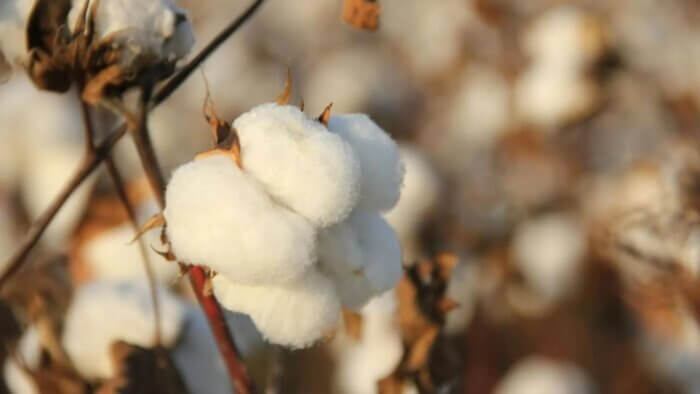
Plant wool is the hemp that graces runways. It’s cotton you see in every store. It’s the linen that gives a suit structure, and the bamboo that drapes perfectly. It’s also the emerging plant wools that no one saw coming – rose, peppermint, nettle, and orange peel; natural, organic materials that harm no one and actually give back to the Earth.
Here, you can discover the benefits of plant wool, explore the variety of fibres available, and learn how the garments woven from plant wool are changing the world, one sustainable stitch at a time.