
Grown, not farmed, plant wools are environmentally friendly and cruelty-free. Here’s everything you need to know about these soft and natural fibres.
Is Plant Wool Biodegradable?
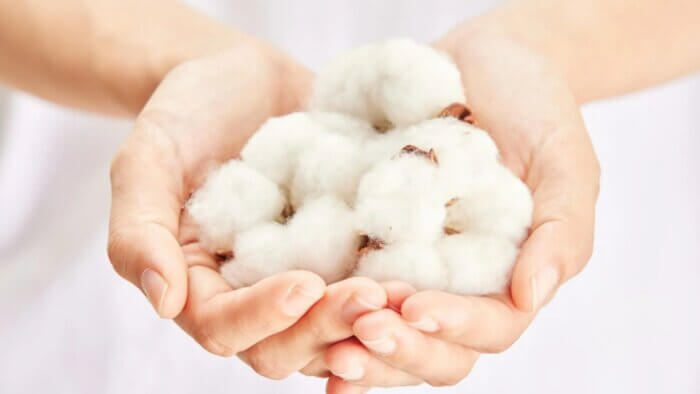
Overwhelmingly, the answer will be ‘yes’! However, it is important to know that, as with all fibres, plant wool biodegradability depends on a few factors – how the yarn is processed, how the garment is constructed, and whether the yarn has been blended with another. Unadulterated plant wools are indeed biodegradable, because they’re completely natural fibres. It’s important to remember that sheep’s wool isn’t always 100% biodegradable, because sheep’s wool is often produced using dyes or coated or blended with plastics that render the final garment non-biodegradable.
Is Plant Wool Recyclable?
Generally, yes. Provided the plant wool isn’t blended with a non-recyclable material or coated in anything that can’t be recycled, garments made from plant wools are recyclable. Because many innovative plant wools are so durable and long-wearing, chances are recycling methods that allow improved fibre separation will improve even further before you’re ready to part with your plant wool pieces.
How Long Does Plant Wool Take to Decompose?
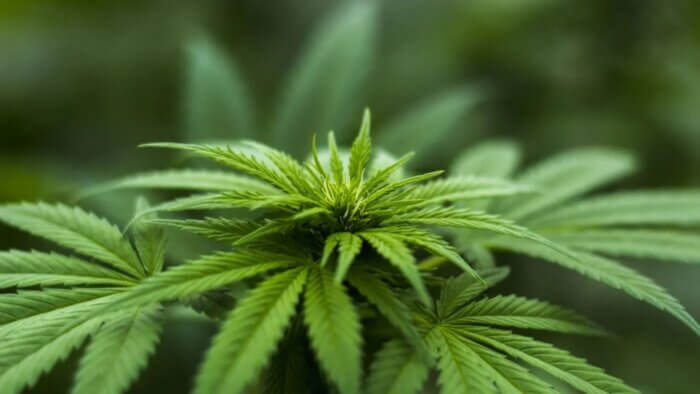
This really depends on the type of plant yarn, as well as the environment in which the garment is disposed of. Garments made from cotton, for example, can take as little as a week if placed in the right compost, while hemp or linen may take two. Sheep’s wool, due to the keratin protein present, can take as many as five years to decompose in a landfill, emitting greenhouse gases such as methane while it does so.
How Does Plant Wool Contribute to Ocean Health?

We should all be concerned about microplastics, which can make their way to our oceans, soil, and air and even reach our food supply. By choosing 100% plant wool garments, we can ensure we’re doing our bit for the planet – including the ocean – by wearing garments free from plastics. The notion that you can only choose between animal wool or synthetics is absurd. There is a plethora of plant wools to choose from that aren’t made from fossil fuels or plastics.
What Is Plant Wool’s Impact on Land Use?

When raising animals for their fleece (or for food), farmers must make room not only for the plant crops to feed them but also for the animals themselves, leading to deforestation. In contrast, growing plants that go directly to humans, as yarn or food, decreases land use. For example, 44.04 hectares of land must be cleared to produce one bale of Australian wool, while one bale of Australian cotton requires only 0.12 hectares of land to be cleared. This makes a quarter of the world’s wool 367 times more land-intensive than Australian cotton.
How Does Plant Wool Help Animals?

In a nutshell, plant wool helps animals because it doesn’t use animals! Sheep and other animals used for wool, like goats, are clever and sociable individuals who only make wool to keep themselves warm and would naturally shed it in the summer months, whereas the wool industry breeds them to produce up to ten times the quantity of wool that they would naturally need. Choosing plant wools over animal wools spares sheep from shearing and benefits wild animals because less land is needed to grow crops than to raise animals. This means less deforestation, which leads to species extinction, and increased biodiversity. In this way, wild animals also benefit when you choose plant wool.
Is Plant Wool Vegan?
Yes! Being vegan isn’t only about who you don’t eat, it’s also about who you don’t wear. Sheep, goats and other animals used for their fleece are bred to overproduce wool, which leads to infections like flystrike. This is managed via a painful mutilation called mulesing, where farmers cut huge swathes of flesh from the buttocks of young sheep and allow the area to scar over. Numerous investigations into wool operations all over the world have also shown workers beating, kicking, stomping on, and throwing sheep, as well as cutting them during rough and too-fast shearing. When their wool production drops, sheep are killed, making wool a slaughter industry. Plant wool, on the other hand, is cruelty-free, harnessing the power of plants to make sustainable knits that are kind to everyone.
How Do I Know an Item Is Made From Plant Wool?
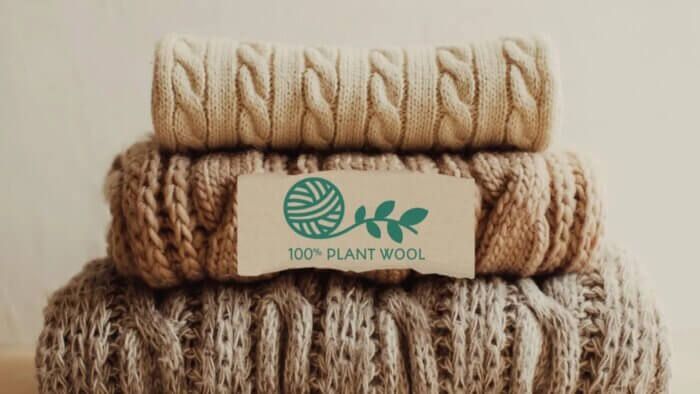
Looking at labels is essential to ensuring that your consumer choices don’t harm animals or the planet. Make sure the label states that it only contains one of the many plant wools featured on this site, or a blend of plant wools (such as hemp and cotton). Many retailers and designers are now opting to display labels to verify that their garments are cruelty-free and planet-friendly.

