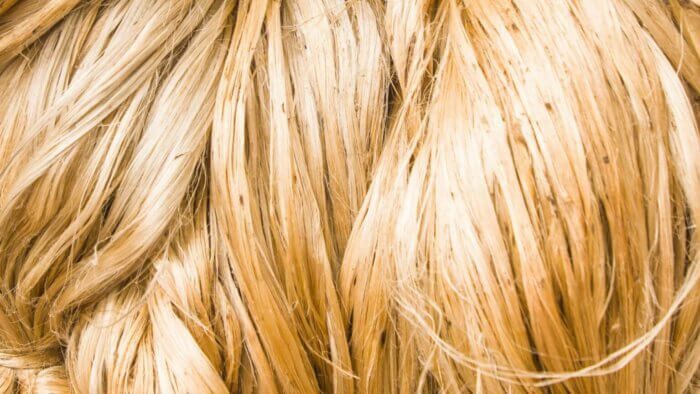
While the vast variety of innovative plant wools makes it hard to capture the many advantages of all the different fibres available, plant wools do share some impressive properties. Natural, hypoallergenic, breathable, recyclable and biodegradable, plant wools are clean, green and kind to animals.
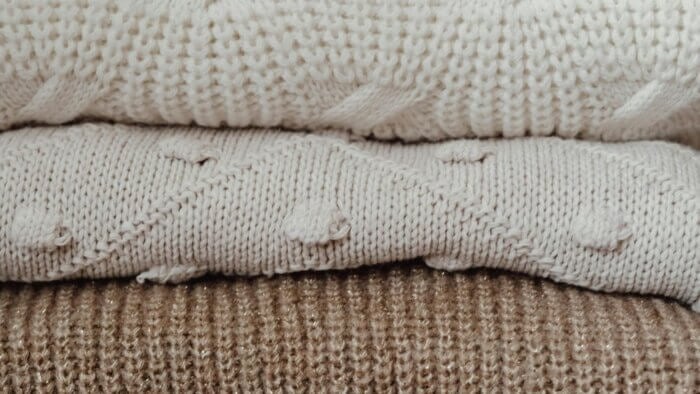
With developers consistently perfecting processes and innovators always discovering new ways to turn a growing array of plants and horticultural waste into warm, soft and strong fibres, plant wool’s versatility is constantly expanding.
From beech trees to oranges, plant wool is revolutionising every fashion sector, from luxury fashion to high-performance activewear, accessories, homewares and everything in between.
Natural
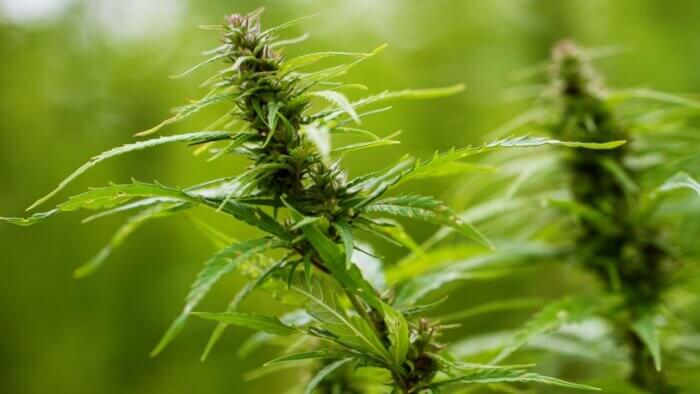
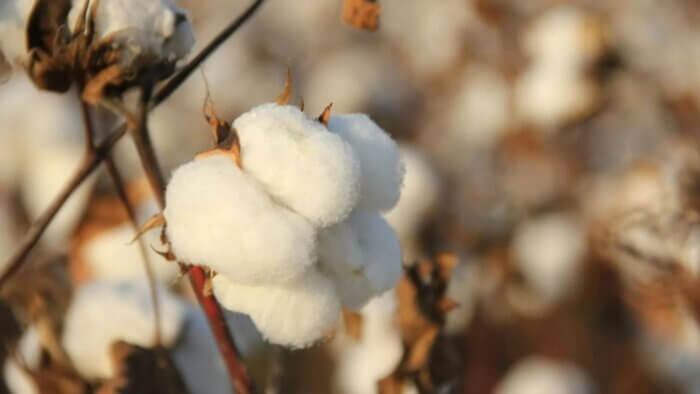
Innovative plant wools are made from plants that have grown on Earth for thousands – in some cases millions – of years. With just a little sunshine, water, and air, plants spring from the soil, generating oxygen and sequestering carbon. You can’t get more natural than that! Plants have long been used for health, sustenance, clothing and more. Now, plant wool is giving them a fresh role in fashion.
Innovative
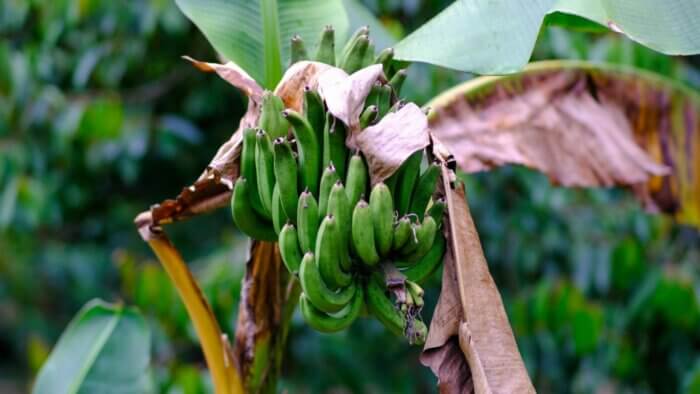
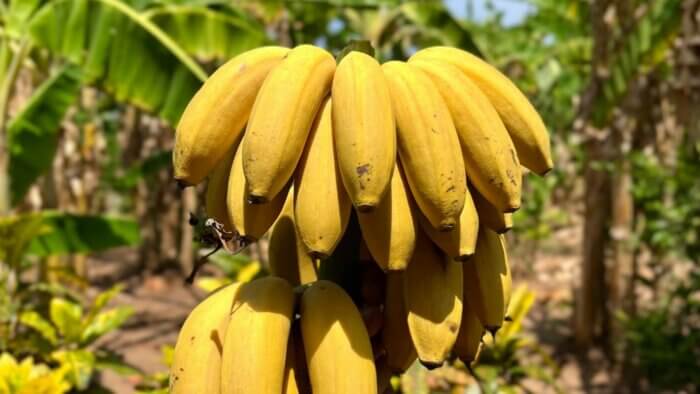
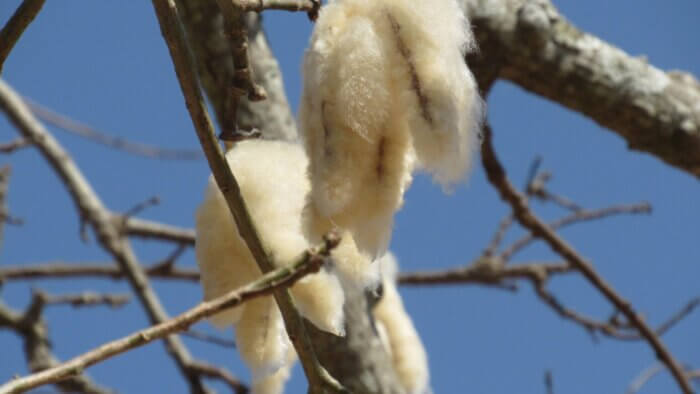
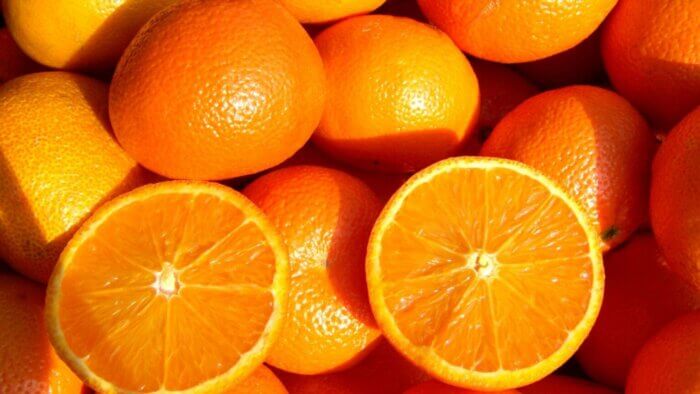
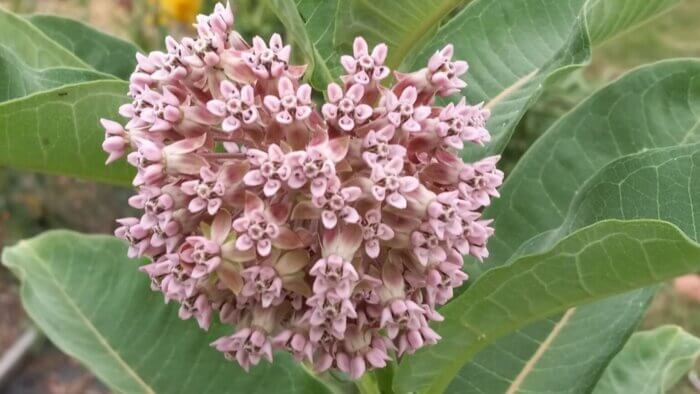
Far from relying on the one fibre, plant wools run the gamut of creativity. Through technical prowess and imagination, plant wool pioneers are turning waste products from flowers, bananas, and even orange peel into a wide range of wools with an array of properties and uses. Spinning plant waste into yarn? That’s true innovation.
Thermoregulating

Some plant wools are warm, some are cooling, and others are both! From cosy bamboo base layers that can keep you snug on the ski slopes to breathable linen that brings comfort even through the most sweltering summers, plant wool can perform at both ends of the mercury.
Comfortable and Hypoallergenic

Most plant wools are hypoallergenic, meaning that they don’t cause itching like animal wools can. Even if one plant wool isn’t right for your skin, these materials are so diverse that even those with sensitivities can easily find the right plant wool for them.
Read more: Treated Plant Wools: Why ‘Semi-Synthetic’ Isn’t an Entirely Accurate Label
Ideal for Leisure and Luxury

Because so many plants can be used to make a wide variety of wools, plant wool yarns are suitable for creating a range of clothes. From the humblest slouchy knit to the most technical gym gear and the most luxurious wrap spun from buttery soft soy cashmere, plant wools can do it all.
Easy Care

Most plant wools are easy to look after, requiring merely a regular wash and dry in your regular load. Even without special treatment, they retain their shape, don’t pill, and don’t need special washes to keep looking great for many years.
Cruelty-Free
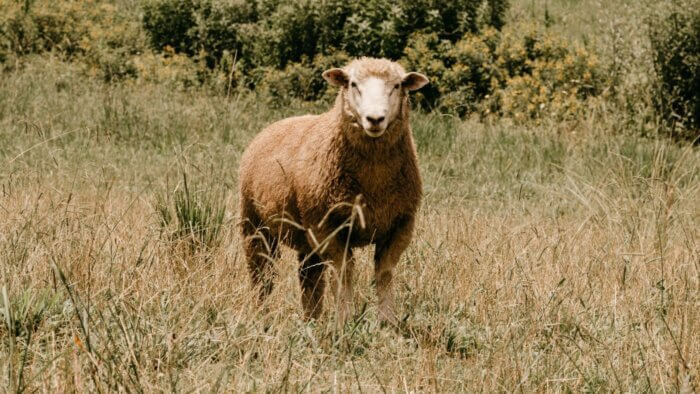
The biggest issue with animal wool is the billions of sheep who suffer and die for it. Plant wools don’t touch a hair on an animal’s head. Removing living, feeling individuals from the fashion supply chain doesn’t just reduce emissions, but spares gentle sheep (plus goats and alpacas) from an endless cycle of breeding, rough shearing, and death.
Reduced Emissions

Not only do plants produce fewer atmosphere-warming greenhouse gases, they also capture carbon, doing double duty for the planet. The carbon equivalent emissions of plant wools are far lower than those of sheep, who generate enormous amounts of methane and require chemical interventions along the supply chain, including chemical pesticide dips which reach our waterways.
Biodegradable
Landfills are bursting with discarded fashion, so how we dispose of garments matters. At the end of their lives, most plant wools naturally decompose, especially in compost, which can reduce degradation time to as little as a week for some!
Reduced Land Use

Plant crops take up considerably less room than the grazing animals from whom non-plant wool is procured. While farmed animals occupy half the world’s arable land, and the crops to feed them use an additional 40%, plants take up less space and feed only on sunshine, air, water, and soil. Many plants, like hemp, also thrive in land that’s not good for much else. Bonus: plants, unlike sheep, flourish in efficient vertical farming systems.
Renewable
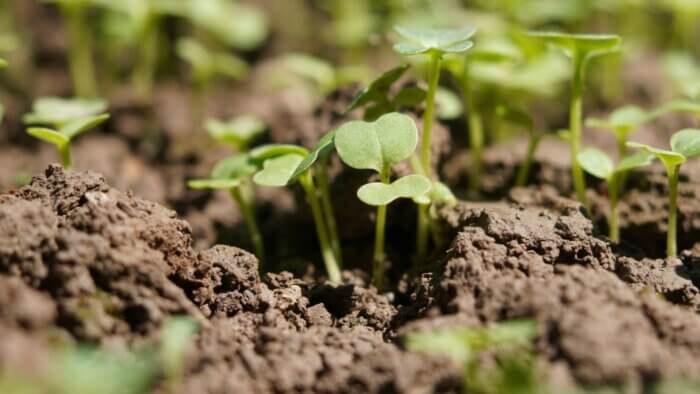
Many of the weeds, flowers, plants, and trees used for plant wools grow rapidly, using minimal resources. With crops regrowing to harvest size rapidly, plant wools have a smaller environmental impact and, unlike animal farming, supply relies on regreening the planet with oxygen-producing greenery.
Creation of Eco-Friendly Jobs

The fashion industry supply chain desperately needs a shake-up to improve the fate of animals, people and the planet. Like plant leathers before them, plant wools can create jobs in renewable forestry and agriculture in countries where animal-based products are polluting the landscape and harming the health of the humans who work with them.
Find Out More About Plant Wool