Derived from the flax plant, linen is a remarkable fabric and one of the first plant wools to be embraced by designers. Linen is known for its durability (it’s the traditional fourth wedding anniversary gift because it symbolises strength) and impressively low environmental impact. Flax requires minimal pesticides, water, and fertilisers to grow, and items from it last a long time. Untreated linen is also fully biodegradable.
Aside from making a material that can easily replace wool in suits, knitwear, socks, and more, every part of the flax plant is usable. Flax seeds and linseed oils are popular health foods, while the plant remnants make excellent animal bedding or natural insulation.
Linen is naturally moth-resistant, quick-drying, moisture-wicking, and breathable. Its impressive heat dissipation performance is five times that of sheep’s wool, making it a popular choice for garments that remain comfortable in various conditions.
Like cotton, much research has been done into the CO2 impact of linen versus sheep’s wool. Producing 1 kilogram of linen generates 16.7 kilograms of CO2 equivalent, while making one kilogram of sheep’s wool generates 89.1 kilograms of CO2 equivalent. Famously destructive, mainly because it causes desertification, cashmere wool production generates 385.5 kilograms of CO2 equivalent while requiring the excruciating removal of wool from the goats used. Linen also has an impressively low water footprint. The cultivation of linen is the least water-intensive stage of its cycle, and almost 80% of its water use comes from washing and ironing the garment when it’s bought.
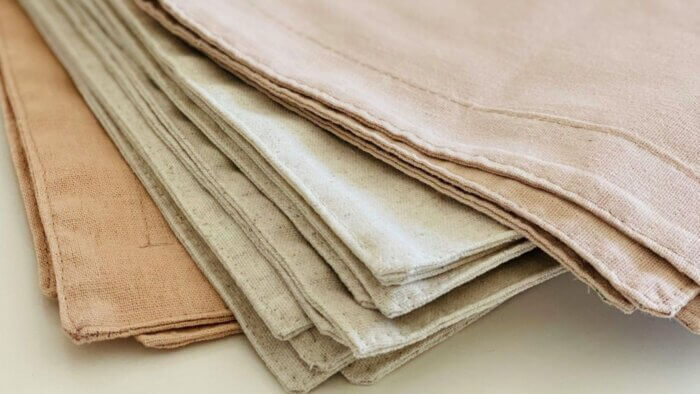
Linen is perfectly placed to grow in fertile, wet European Union nations like France, Belgium, and the Netherlands. The EU grows 70% of all flax, with producers shortening transport chains and seeking European Flax certification.
Read more: Discover Popular Plant Wools