
Tartan, or Kilt, Day (April 6) is a celebration of the Declaration of Arbroath, also known as the Scottish Declaration of Independence, signed in 1320.
Marked by parades, pipe bands, and the wearing of traditional Scottish dress, the day is observed all over the world. But can you celebrate your clan without harming sheep?
The answer is a resounding “Aye!”
Kilts, jackets, and waistcoats needn’t be made from animal wool. Here, we round up the best plant wool kilts to make the day kind and green – even if your family tartan is red.
Rare Bird Vegan Hemp Kilt
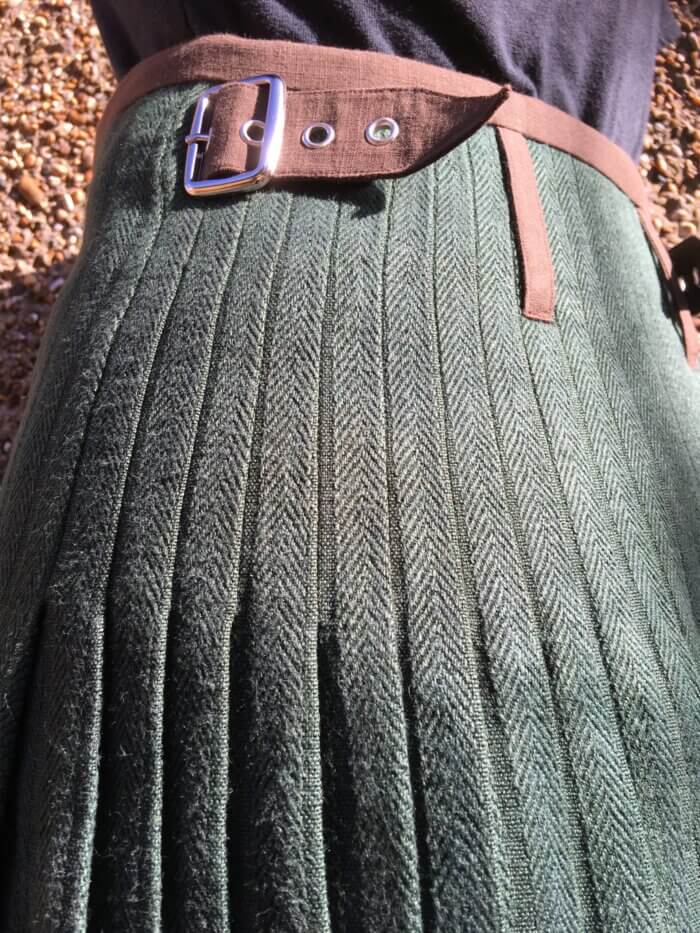
Offering items hand-sewn by a traditionally trained kiltmaker, Rare Bird embraces sustainability with this 100% hemp kilt. Made-to-order, this hemp option is biodegradable and captures carbon instead of adding methane to the atmosphere.
Scotland Kilt Company Blackout Utility Kilt
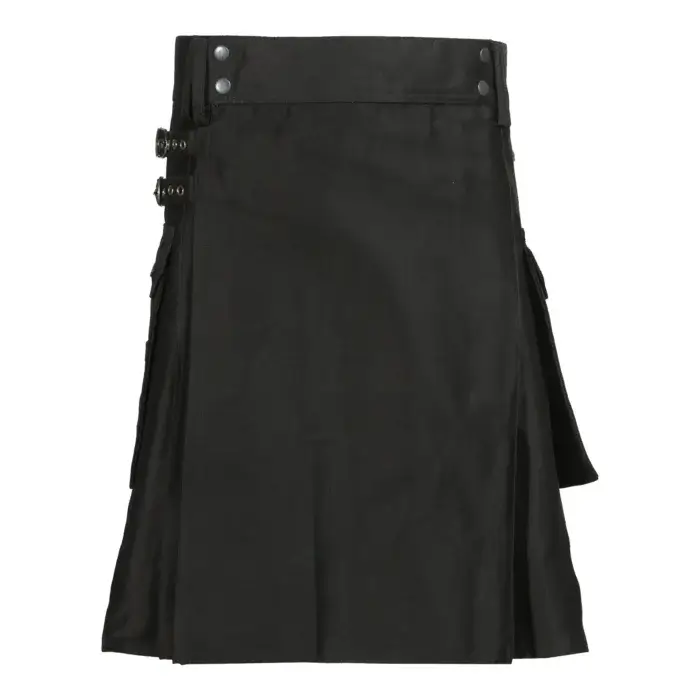
If you want to wear a kilt, but don’t want to be draped in tartan, this stylish, black utility kilt is for you. Packed with pockets in understated 100% black cotton, this hardwearing kilt can take you from work to a hike.
Rare Bird Vegan Denim Kilt
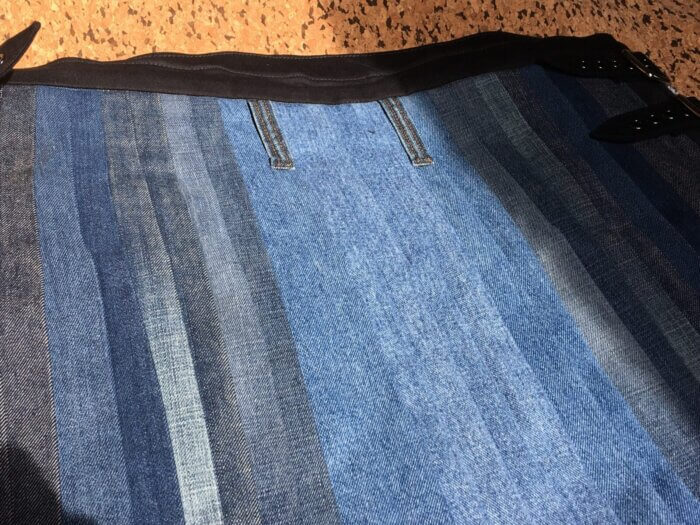
If you’re looking for a more casual look, this Rare Bird denim kilt, made from repurposed jeans, not only showcases relaxed cotton but also subverts fashion waste that would otherwise go to landfill.
Tropical Kilts 100% Linen Kilt
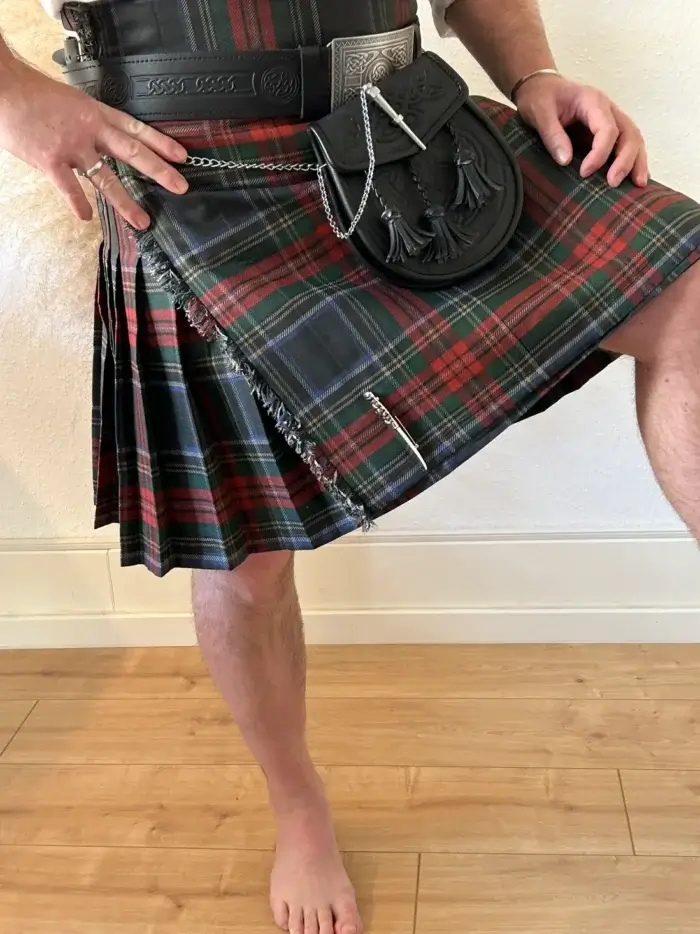
Linen is one of the most popular plant wools, because it’s breathable, durable, and sustainable. This 5-yard kilt is custom-tailored in 100% linen, meaning it drapes perfectly while staying comfortable in any weather.
Heritage of Scotland Casual 5-Yard Utility Kilt
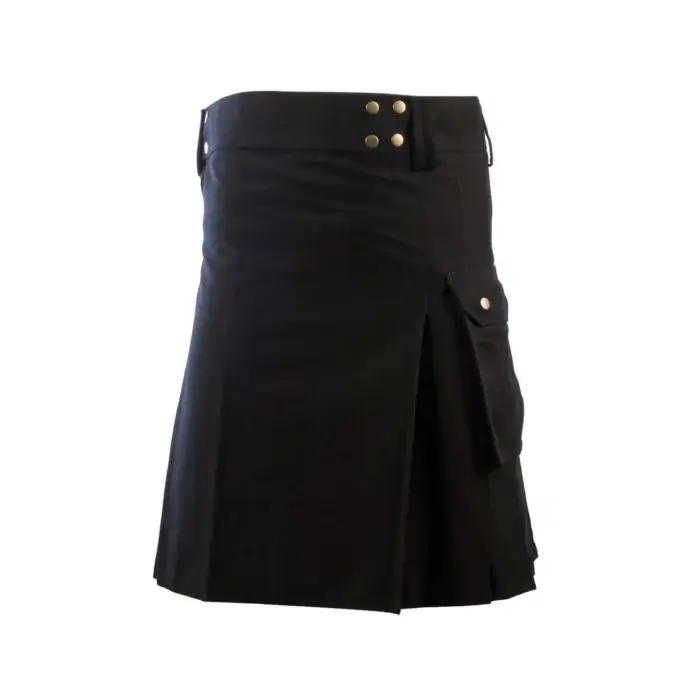
Described by the maker as a “modern and practical alternative to the traditional Scottish outfit”, this cotton kilt is a comfortable, monochrome take on the tartan kilt. Woven to last, it will take you from beers to braes.
Oddballs Tartan Bamboo Boxers
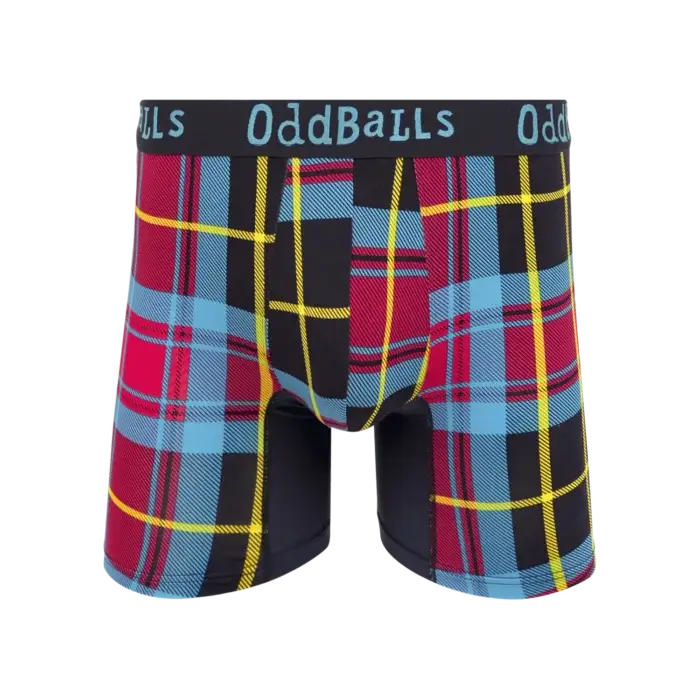
Keen to kilt up but not brave enough to “go regimental” (without underwear)? These tartan boxers from Oddballs, made from 100% bamboo, one of the oldest, most sustainable plant wools, have you covered – literally.
Choose Plant Wool for Animals
Animal wool harms animals and is environmentally destructive.
Sheep are gentle, sensitive, emotionally complex and highly intelligent individuals, but they’re abused from the day they’re born in the wool industry. Lambs are mutilated, usually without pain relief, in procedures that see their testicles and tails (which they wag to show joy) crudely removed.
In shearing sheds, the abuse continues. PETA entities have so far released 15 damning exposés of over 150 wool industry operations, including in the UK. Workers have been filmed beating, stamping on, throwing, and mutilating terrified sheep.
Lies labelling sheep’s wool ‘high welfare’ or ‘humane’ mean nothing, with sheep abuse uncovered at 11 farms and sheds linked to New Zealand’s ZQ-certified wool, which claims to be “the world’s leading ethical wool brand”.
Choose Plant Wool For Earth
In addition to the cruelty, wool is also highly polluting. Raising sheep requires vast deforestation. Combined, the world’s sheep emit around 36 billion litres of methane per day – the equivalent of burning almost 7.5 million pounds of coal.
Conversely, plants sequester carbon and emit oxygen, and require far less water, land and chemicals than raising sheep. No wonder animal wool is the past, and plant wool is the future.
Help Sheep Gain Independence From Wool Abuse
If you’d like to see sheep celebrate their own independence – from the violent, unsustainable wool industry, choose plant wool!
You can also help by urging companies to move to environmentally friendly, cruelty-free plant wool.


