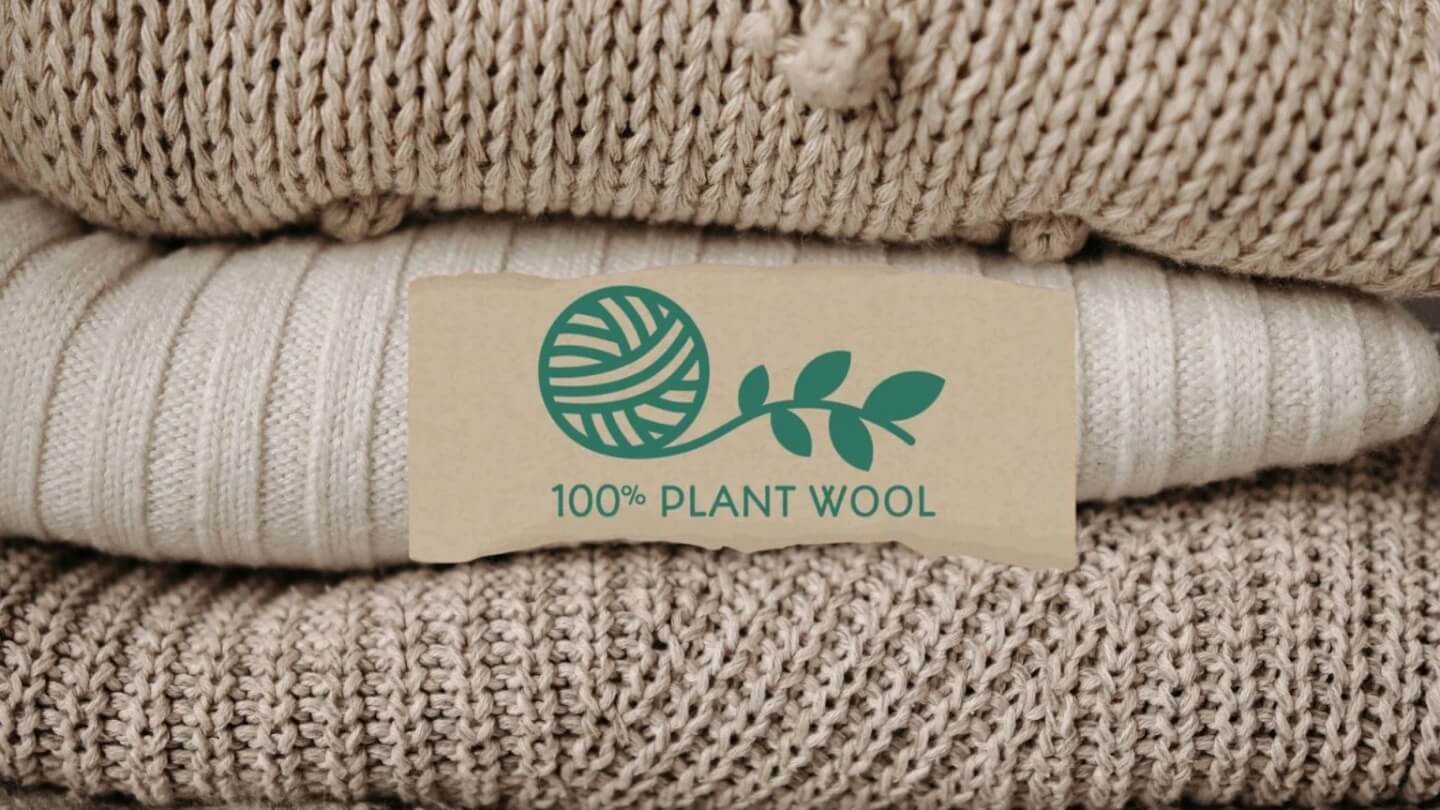
We’re all trying to look after the planet, but do you know how significantly the contents of your closet impact your carbon footprint?
Shockingly, the fashion industry is responsible for up to 8% of annual global carbon emissions and half a million tonnes of plastic microfibers reaching the ocean each year.
Happily, with cosy plant wools, sustainability and style go hand in hand. Don’t buy the myth that your only choices are sheep’s wool or plastic – biodegradable plant wool is the future of fashion, free from fossil fuels.
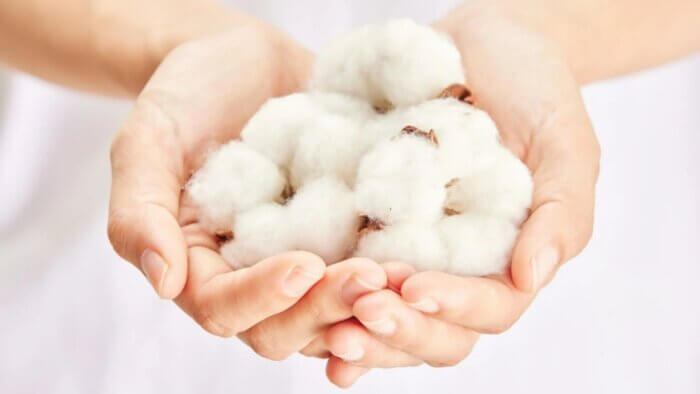
Here are five plant wools to help you tread lightly on the planet while looking great.
Hemp

Anything sheep’s wool can do, hemp can do better. This super-soft plant wool is antibacterial, breathable, strong and absorbent, and looks great in a variety of garments, from chunky cable sweaters to smart suits.
With a climate impact 42 times smaller than sheep’s wool produced in Victoria, Australia, hemp is also ranked as a “Class A” fibre – the highest – by the Made-By Environmental Benchmark (it classes sheep’s wool as a “Class E” fibre – the worst – due to energy use, land waste, and chemical processes).
Hemp may have humble “hippy” roots, but it’s gained high-end fashion cred, with the luxe 100% hemp knitwear range from Italian fashion house Opera Campi turning heads and changing minds.
Because it can be grown via rainwater alone, without the need for irrigation, hemp is also the least water-intensive material of all natural fibres. Hemp requires low to no pesticides or herbicides, and nourishes the soil, preventing erosion and capturing CO2.
Organic Cotton
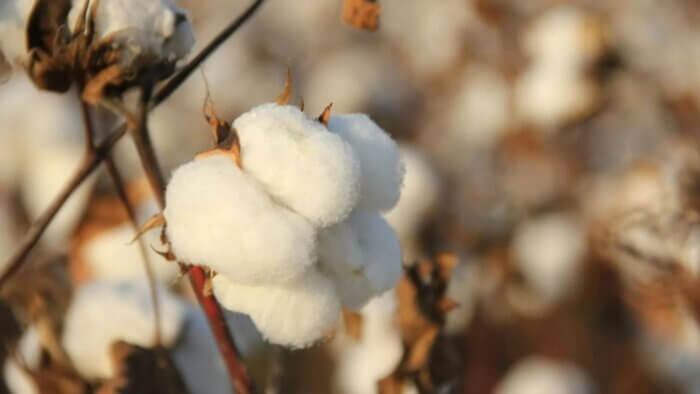
If you think you know cotton, think again!
Known for being a breathable, light thread that makes our fave T-shirts so comfy, organic cotton, spun into chunky yarn for knitting, is now common in winter knits, because it can also be warm, and is non-itchy while being planet-friendly.
Producing one kilogram of organic cotton generates as little as 1.15 kilograms of CO2 equivalent, while the same weight of sheep’s wool generates up to 89.1 kilograms.
Grown without harmful synthetic pesticides, fertilisers, or genetically modified organisms (GMOs), organic cotton yarn is toxin-free and 100% biodegradable, breaking down in the right compost in just as little as one week to five months. Plus, this plant wool is free from microplastics.
Soy
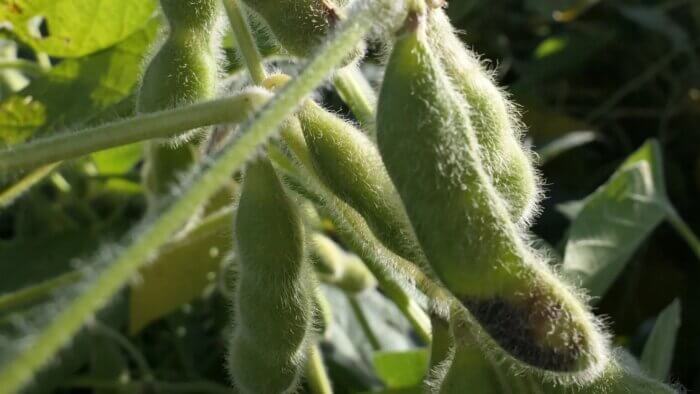
If fashion-forward is your vibe, soy is the futuristic fibre to watch. While pieces woven from this strong, soft fibre are rare finds, soy’s luxe, velvety feel has caught the eye of brands like KD New York, whose 100% vegetable cashmere collection is crafted from traceable organic soy fibre.
Unlike animal-derived cashmere, soy wool is machine washable without shrinkage, cruelty-free, and biodegradable. As a green material, it does double duty – as a by-product of soy food products, it diverts waste from landfills while being biodegradable and replacing animal-derived fibres and synthetics.
Soy cashmere might not be everywhere yet, but it’s the G.O.A.T – minus the goat.
Linen

Any self-respecting style icon knows linen is a summertime staple, but when used as a cosy yarn, linen laps sheep’s fleece in everything from suits to sweaters. Linen fibres are breathable and moisture-wicking, recyclable, and biodegradable.
Made from the fast-growing flax plant, this plant wool has earned its reputation as a sustainable fibre. Flax cultivation helps improve soil quality, the plants require little to no irrigation, and the resulting unadulterated fibre is free from any petrochemicals.
Another eco-benefit? Linen is long-lasting, keeping your favourite pieces in your wardrobe and out of landfill for longer.
Bamboo
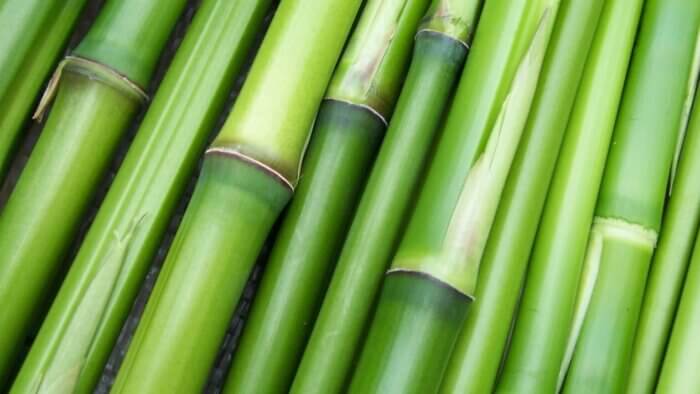
Often used in socks, athletic wear, and undergarments, bamboo is renowned for its warmth, strength, and moisture-wicking properties. Alone or blended with cotton, bamboo plant wool makes beautiful knitwear.
If you need even more warmth to weather winter, bamboo is becoming known as a technical gear hero that can replace sheep’s wool as a base layer, even on snowy slopes.
Fast-growing, bamboo plants are a regenerative crop and help the planet by rapidly sequestering significant amounts of carbon dioxide and producing oxygen – even more than some trees!
Plant Wools Are the Future
Discover other innovative and sustainable plant wools and learn more about how choosing plant wool is kinder to the planet and the animals.