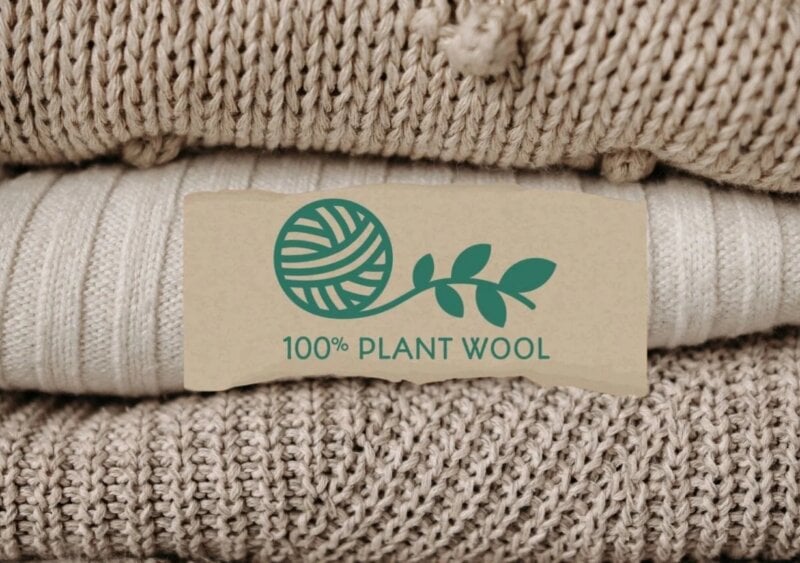
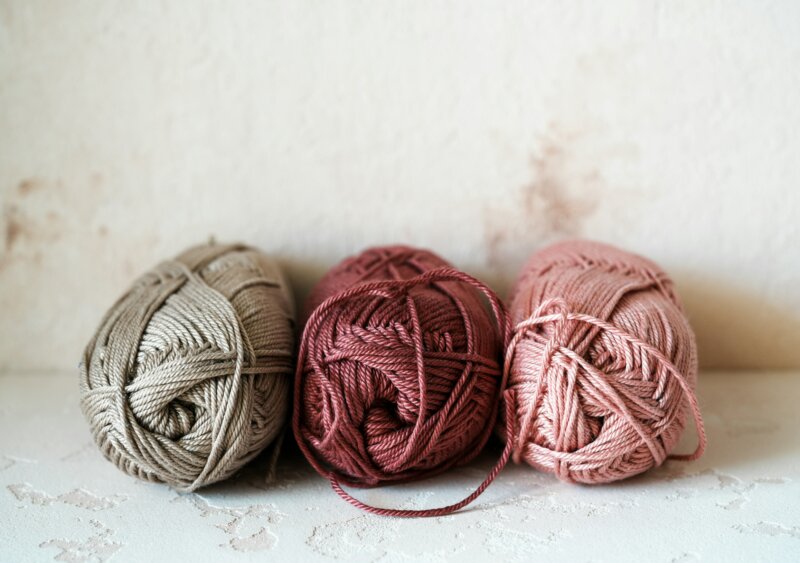
Few things are more relaxing than curling up with a craft, and getting compliments on your hand-knit jumper, or gifting a loved one a crocheted toy is incredibly satisfying. Even better is if you can proudly say that your craft iskind to animals and better for the planet.
That’s why plant wools are the ideal addition to your crafting kit. With them, you can knit, crochet, and weave your way through the cosy months, creating crafts and clothing with a lower carbon footprint than those made from sheep’s wool, and knowing you haven’t harmed a hair on a sheep’s head.
Plus, it’s great for those allergic to sheep’s fleece (you don’t want to gift someone Christmas hives!) and helps create easy-to-care-for items.
Here’s our guide to crafting with Plant wool.
Aloe Wool
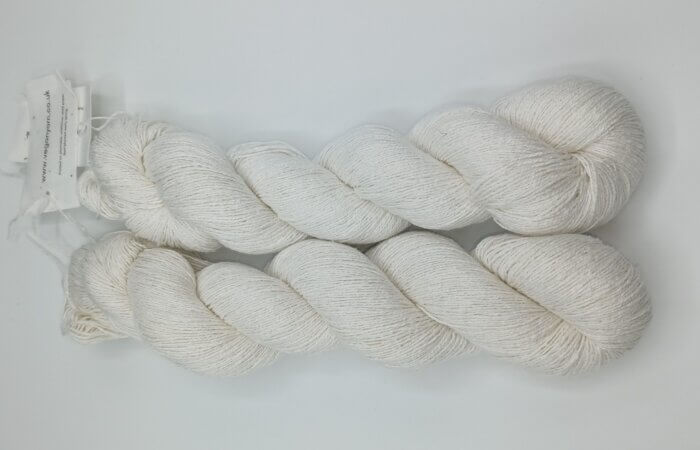
If you’ve ever felt the soothing relief of aloe on sunburn, you’ll understand how kind to skin this yarn is. Aloe wool is a delicate fibre produced by extracting the gel from aloe vera plants, which are naturally pest-resistant and have incredibly low water needs. Aloe wool, like this one from Veganyarn.co.uk, is perfect for finger-knitting light, luxurious items. Plus, it subverts cosmetic-industry waste by using the otherwise discarded outer leaves of the plant.
Hemp Wool
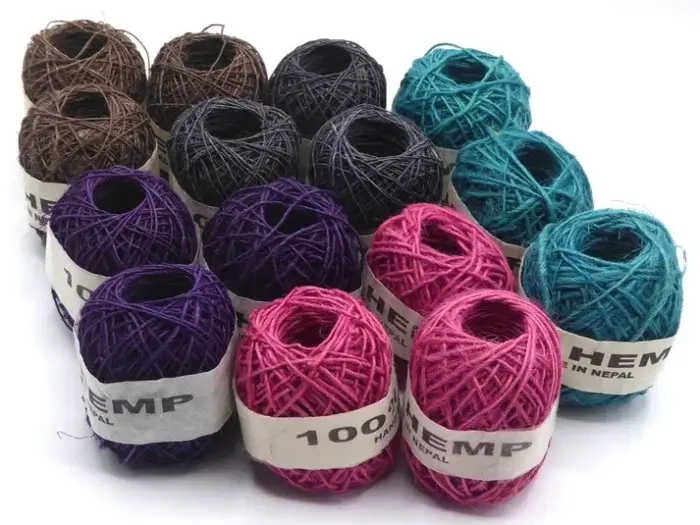
Hemp wool is wonderfully soft and manageable, yet strong, durable, and resistant to pilling. Somewhat rough when made with 100% hemp like this one from Heaven Hemp, it’s perfect for functional items like bags (and will soften with each wash), but when blended with softer plant wool like cotton, hemp, it’s great for warm jumpers and blankets. Hemp also needs no insecticides and has a low water and land footprint.
Paper Wool
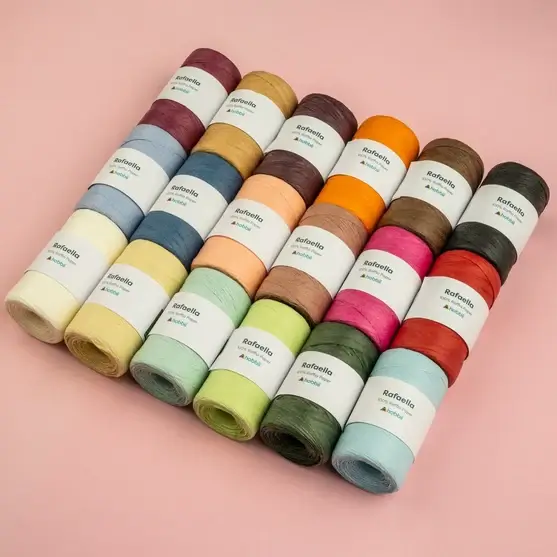
Yep, you read that right, you can weave your magic with paper wool, like this one from Hobbii. Perfect for craft projects like woven hats and bags, paper wool comes from palm trees and is the ultimate eco yarn. Surprisingly sturdy, it makes great raffia-weaved summer accessories, like bags and hats, and is so easy to work with that you can easily get the kids crafting, too.
Banana Wool
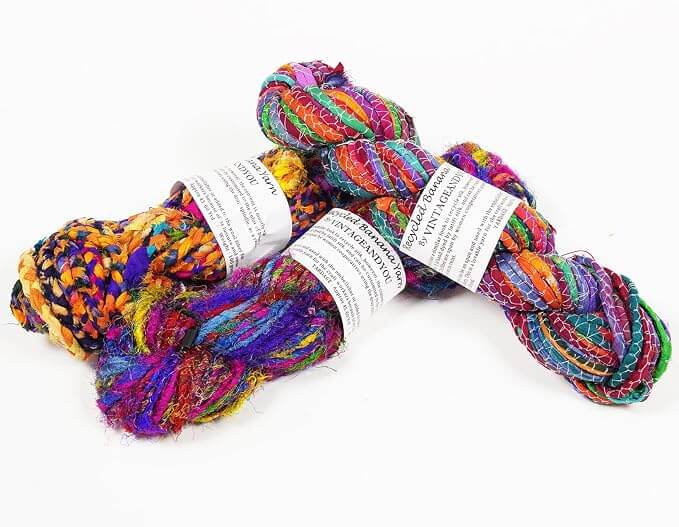
A lightweight yarn with a gorgeous sheen, banana wool has a beautiful sheen. Heralded as a ‘future fibre’, banana yarn helps minimise erosion and other sedimentation, and creates fertiliser for a looped production cycle. Hey, if it’s good enough for Balenciaga, it’s good enough for your hook, right? Check out the Vintage and You’s rainbow of skeins at Amazon.
Linen Wool
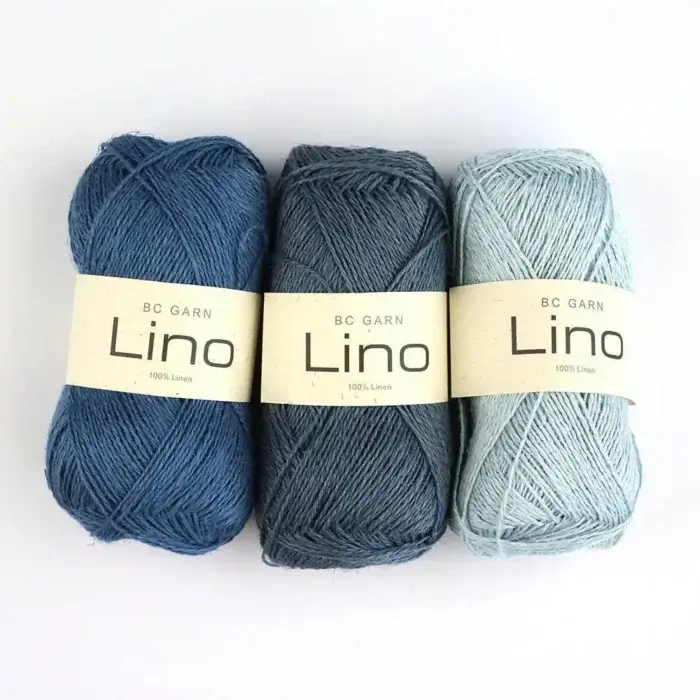
Light and workable, linen wool (from the flax plant) is a textile staple with a long history, and is a soft, workable yarn for knits and throws that last. Flax requires minimal pesticides, water, and fertilisers. Plus, untreated linen items are fully biodegradable, so your practise stitches won’t haunt you forever! Available unadulterated, like this one from BC Garn, or blended with other plant wools.
Bamboo Wool
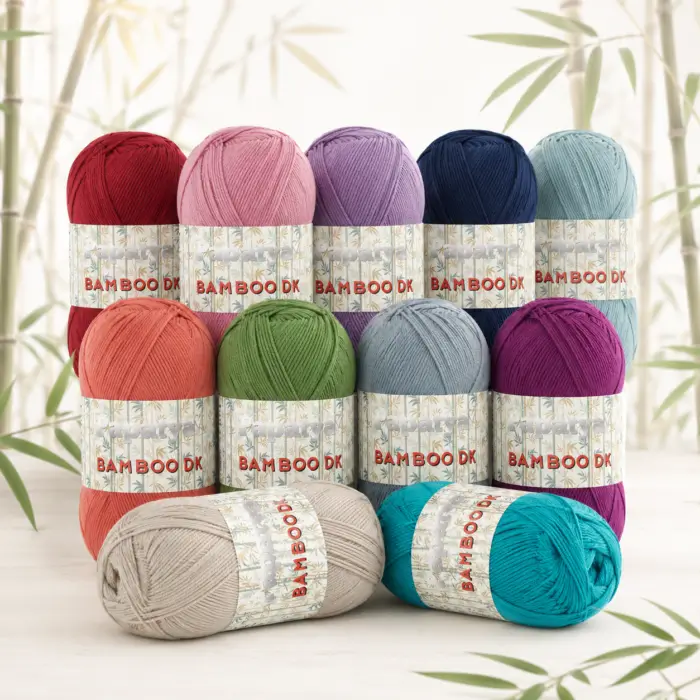
Bamboo drapes beautifully, making it perfect for knitting or crocheting cardigans, shawls, and scarves. Soft and breathable, bamboo wool is also hypoallergenic, making it ideal for baby garments. Yarns can be 100% bamboo, like this Papatya one, or blended with cotton. Either way, you’ll love embracing regenerative farming while you create gorgeous garments.
Cotton Wool
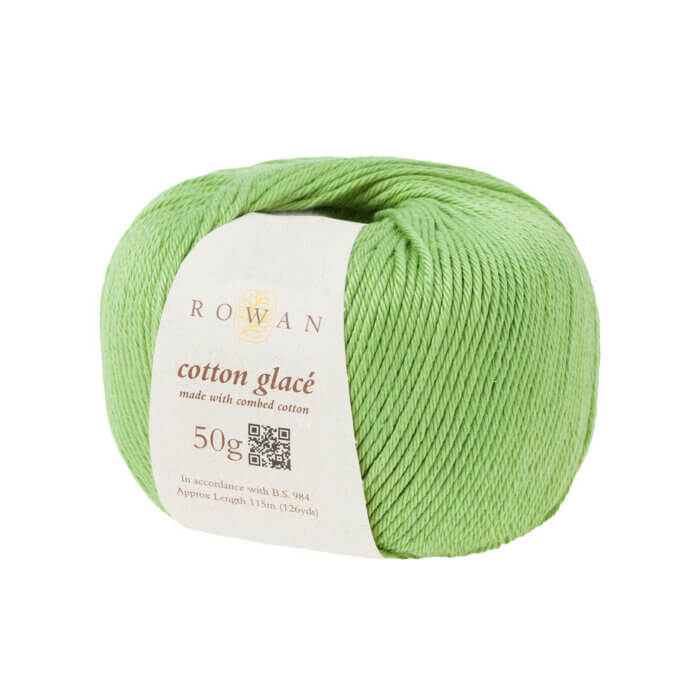
Long a fashion staple, cotton wool is one of the world’s most loved fibres. The great thing about knitting or crafting with cotton (aside from its eco credentials) is its versatility. You can whip up a light crochet blouse for summer or a heavier jumper for winter. And with a lovely glide and a range of colours from pastel hues to vibrant threads like these from Rowan, it makes adorable aragumi toys!
Soya Wool
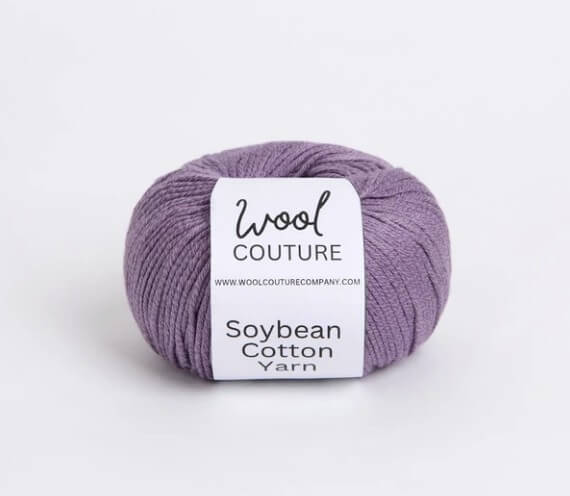
Known as ‘vegan cashmere’, soya wool is silky and decadent, without robbing gentle goats of their hair. It’s slippery, so work with metal needles to make delicately draped items that won’t shrink and are moisture-wicking, hypoallergenic, biodegradable, and breathable. It also comes blended with other plant wools, like this cotton blend from Wool Couture.
Whether you enjoy making adorable aragumi toys, whipping up snuggly scarves, or creating throws for the home, knitting and crochet are about creating something beautiful from nature. Vegan alternatives to plant wool are eco-friendly and cruelty-free, so you can stitch kindness and sustainability into every craft project.